


Can a DUI Be Dismissed in North Dakota?


If you’ve been charged with driving under the influence (DUI) in North Dakota, one of the first questions you’re likely asking is: “Can a DUI be dismissed?”
The short answer is: yes, a DUI can be dismissed in North Dakota—but it depends heavily on the facts of your case.
While DUI charges are taken seriously across the state—from Bismarck to Fargo to Minot—dismissals do happen when law enforcement makes mistakes, evidence is weak, or your rights were violated.
If you’re facing charges, it’s important to understand your options and speak with a North Dakota DUI defense attorney as early as possible.
What Does It Mean to Have a DUI Dismissed?

A dismissed DUI means the charge is dropped, and you are no longer facing prosecution for that offense.
This can happen:
Before charges are formally filed
During pretrial proceedings
Or even right before trial
A dismissal is different from:
Accepting a plea deal
Being convicted in court
It is the most favorable outcome—and one that often depends on strong legal strategy from an experienced criminal defense lawyer in North Dakota.
Common Reasons a DUI Is Dismissed in North Dakota
Not every DUI arrest leads to a conviction. In fact, there are several legal and procedural issues that can lead to a dismissal.
1. Illegal Traffic Stop
Police must have a valid legal reason to stop your vehicle under North Dakota DUI laws.
Examples include:
Speeding
Swerving
Equipment violations
If an officer pulls you over without reasonable suspicion, your attorney may argue that the stop violated your constitutional rights.
You can learn more about your rights during a stop in our guide on police search and seizure laws in North Dakota.
2. Lack of Probable Cause for Arrest
Even if the stop was valid, officers must also have probable cause to arrest you.
This typically includes:
Observations (odor of alcohol, slurred speech)
Field sobriety tests
Preliminary breath tests
If these are weak or inconsistent, your attorney may challenge the arrest—and potentially get the case dismissed.
3. Problems with Field Sobriety Tests
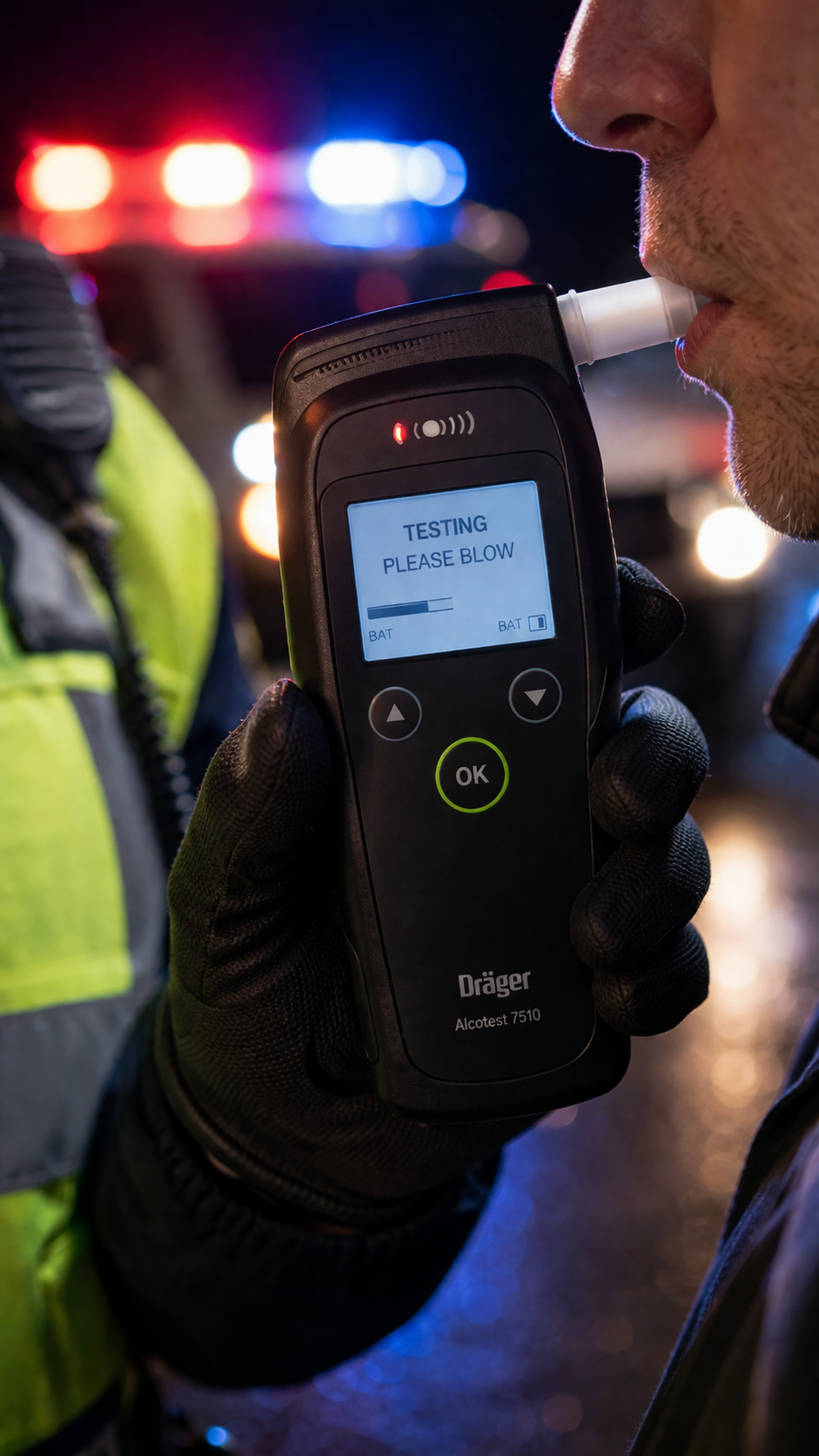
Field sobriety tests are often used—but they are not always reliable.
Factors that can impact results:
Ice or snow-covered roads (common in Bismarck and Minot)
Medical conditions
Improper instructions
The National Highway Traffic Safety Administration (NHTSA) provides strict guidelines for these tests. If officers don’t follow them, the results may be thrown out.
4. Breathalyzer or Blood Test Errors
Chemical testing is central to many DUI cases—but errors happen.
Common issues include:
Improper calibration
Mishandling samples
Failure to follow North Dakota Department of Transportation (NDDOT) procedures
If testing errors are found, the evidence may be excluded.
5. Violation of Your Rights
Your constitutional rights must be protected throughout your case.
Violations may include:
Illegal searches
Improper questioning
Denial of legal counsel
Learn more about your rights when dealing with law enforcement in our article on talking to police in North Dakota.
6. Insufficient Evidence
To convict you, the prosecution must prove beyond a reasonable doubt that you were impaired.
If evidence is weak or inconsistent, your attorney may push for dismissal.
How DUI Cases Move Through North Dakota Courts

Understanding the process helps identify where dismissals can happen.
Step 1: Arrest and License Suspension
After an arrest, your license may be suspended through the North Dakota Department of Transportation.
⚠️ You only have 10 days to request a hearing.
Step 2: Criminal Charges Filed
Charges are filed in courts such as:
Step 3: Pretrial Motions
This is where many dismissals occur.
Your attorney may:
File motions to suppress evidence
Challenge the legality of the stop
Dispute test results
Strong motion practice is a key part of any DUI defense strategy in North Dakota.
Step 4: Trial or Resolution
If not dismissed, the case may go to trial or result in a plea agreement.
Can First-Time DUI Charges Be Dismissed?
Yes, first-time DUI charges can be dismissed, but North Dakota does not offer standard diversion programs for DUI.
First-time offenders may have stronger cases for dismissal when:
Police procedures were flawed
Evidence is weak
Rights were violated
If this is your first charge, it’s critical to speak with a Bismarck criminal defense attorney immediately.
DUI Penalties in North Dakota (If Not Dismissed)
If your DUI is not dismissed, penalties can include:
Fines starting around $500
License suspension (91 days or more)
Possible jail time
Mandatory evaluations
Ignition interlock device
You can review the full statute under North Dakota Century Code § 39-08-01.
How a DUI Defense Attorney Can Help

A DUI attorney can identify weaknesses in the prosecution’s case and build a defense strategy.
At Heartland Law Office, we help clients across Bismarck, Williston, Dickinson, Fargo, and Grand Forks by:
Reviewing evidence and reports
Challenging illegal stops
Filing strategic motions
Negotiating or pursuing dismissal
Explore your options on our North Dakota criminal defense services page.
Key Takeaways: DUI Dismissal in North Dakota
A DUI can be dismissed, but it depends on the facts
Illegal stops and weak evidence are common dismissal grounds
Pretrial motions are critical
You must act quickly after arrest
Legal representation greatly improves your chances
Frequently Asked Questions (FAQs)
Q: How often are DUI cases dismissed in North Dakota?
A: Dismissals are not the most common outcome, but they do happen when there are legal or evidentiary issues.
Q: Can I get my DUI dropped if I pass a later test?
A: No. Courts focus on evidence at the time of the arrest.
Q: What is the best defense against a DUI in North Dakota?
A: Common defenses include challenging the stop, arrest, and test accuracy.
Q: Can refusing a breath test help get a DUI dismissed?
A: No. Refusal may limit evidence but results in automatic license penalties.
Q: Do I need a lawyer to get a DUI dismissed?
A: A lawyer is not required, but greatly increases your chances of identifying dismissal opportunities.
This article is for informational purposes only and does not constitute legal advice. Always consult with a licensed attorney regarding your specific situation.


